Cultural influences shaping the perception of gambling across different societies
The Historical Context of Gambling
Gambling has deep historical roots in many cultures, often intertwined with social rituals and community bonding. In ancient civilizations, such as those in Mesopotamia and Rome, gambling was frequently used during festivals and religious ceremonies. These practices shaped the perception of gambling as a communal activity rather than just a solitary vice. As societies evolved, the role of gambling adapted, reflecting broader societal changes, including shifts in economic structures and moral values. For those curious about online gaming options, lizaro-casinos.co.uk offers a comprehensive platform that showcases the contemporary landscape of gambling.

In some cultures, gambling is viewed as a traditional pastime, while in others, it has been subject to strict regulations. For instance, in China, gambling has historical significance, often associated with luck and fortune. On the other hand, some Western societies have developed a more cautious approach, largely influenced by the rise of the temperance movement in the 19th century, which sought to regulate behaviors deemed detrimental to society. These historical contexts have laid the groundwork for modern attitudes towards gambling.
Overall, the historical lens through which gambling is examined reveals how cultural narratives shape perceptions. Understanding these narratives allows for a deeper appreciation of how various societies integrate gambling into their cultural fabric. The nuances in these historical accounts highlight the complex relationship between gambling, tradition, and societal evolution.
Religious and Moral Perspectives
Religious beliefs play a crucial role in shaping attitudes toward gambling across different cultures. In many Christian denominations, for example, gambling is often viewed negatively, considered a temptation that can lead to greed and moral decay. This perspective has influenced laws and societal norms in predominantly Christian countries, fostering a sense of caution regarding gambling activities. Such religious underpinnings contribute to the stigma that may surround gambling in these societies.
Conversely, in cultures influenced by Eastern philosophies, such as Buddhism or Hinduism, gambling might be seen as a form of fate or destiny, with less moral judgment attached. In these traditions, the act of gambling can be perceived as an exploration of one’s karma, impacting how individuals engage with it. These differing religious interpretations contribute significantly to the societal acceptance or rejection of gambling practices.
As global cultures continue to interact, the amalgamation of these religious perspectives creates a diverse landscape of gambling perceptions. For example, in some communities, traditional beliefs coexist with modern gambling practices, leading to unique forms of gaming that reflect both heritage and contemporary influences. This blend of old and new illustrates the dynamic nature of cultural beliefs surrounding gambling.
Socioeconomic Factors at Play
The socioeconomic environment greatly impacts how gambling is perceived in various societies. In wealthier nations, gambling is often associated with entertainment and leisure, facilitated by well-regulated casinos and online gaming platforms. Here, gambling is framed as a choice for personal enjoyment, attracting diverse demographics who view it as a casual pastime. This perception is starkly different in lower-income regions, where gambling may be viewed as a desperate attempt to improve one’s financial situation.
The availability of resources also influences how communities engage with gambling. In affluent societies, there is often a robust framework for responsible gaming and support for those with gambling addictions. In contrast, in underprivileged communities, the lack of such infrastructures can lead to gambling being perceived as a source of escape, often resulting in higher rates of addiction and related societal issues. This disparity underscores the significant role socioeconomic status plays in shaping gambling perceptions.
Moreover, the representation of gambling in media and popular culture further impacts public perception. In wealthier countries, gambling is often glamorized in films and television shows, reinforcing its status as an entertaining and socially acceptable activity. However, in contrast, narratives emerging from economically disadvantaged areas may highlight the negative consequences associated with gambling, thus shaping a more cautionary view. This divergence emphasizes the multifaceted nature of gambling perceptions across different socioeconomic contexts.
The Role of Government and Regulation
Government regulation is a pivotal factor in shaping how gambling is perceived in society. In many countries, laws surrounding gambling can either promote or restrict its practice. For instance, nations like Singapore have created a controlled environment that regulates casinos and online gambling, helping to normalize it while maintaining public welfare. Such regulations can shape public perception by framing gambling as a regulated form of entertainment rather than a vice.
Conversely, in countries where gambling remains illegal or heavily restricted, societal views may lean toward seeing it as an illicit activity. This can foster a negative stigma, influencing individuals’ attitudes and behaviors surrounding gambling. The legal landscape acts as both a mirror and a mold, reflecting societal attitudes while simultaneously shaping them through legislation and public policy.
Furthermore, public campaigns aimed at educating citizens about responsible gambling can also alter perceptions. Through awareness initiatives, governments can promote a more balanced view of gambling, emphasizing both its entertainment value and the potential risks involved. By addressing these concerns publicly, authorities can contribute to a more nuanced understanding of gambling, steering away from binary perceptions of it as either wholly positive or entirely negative.
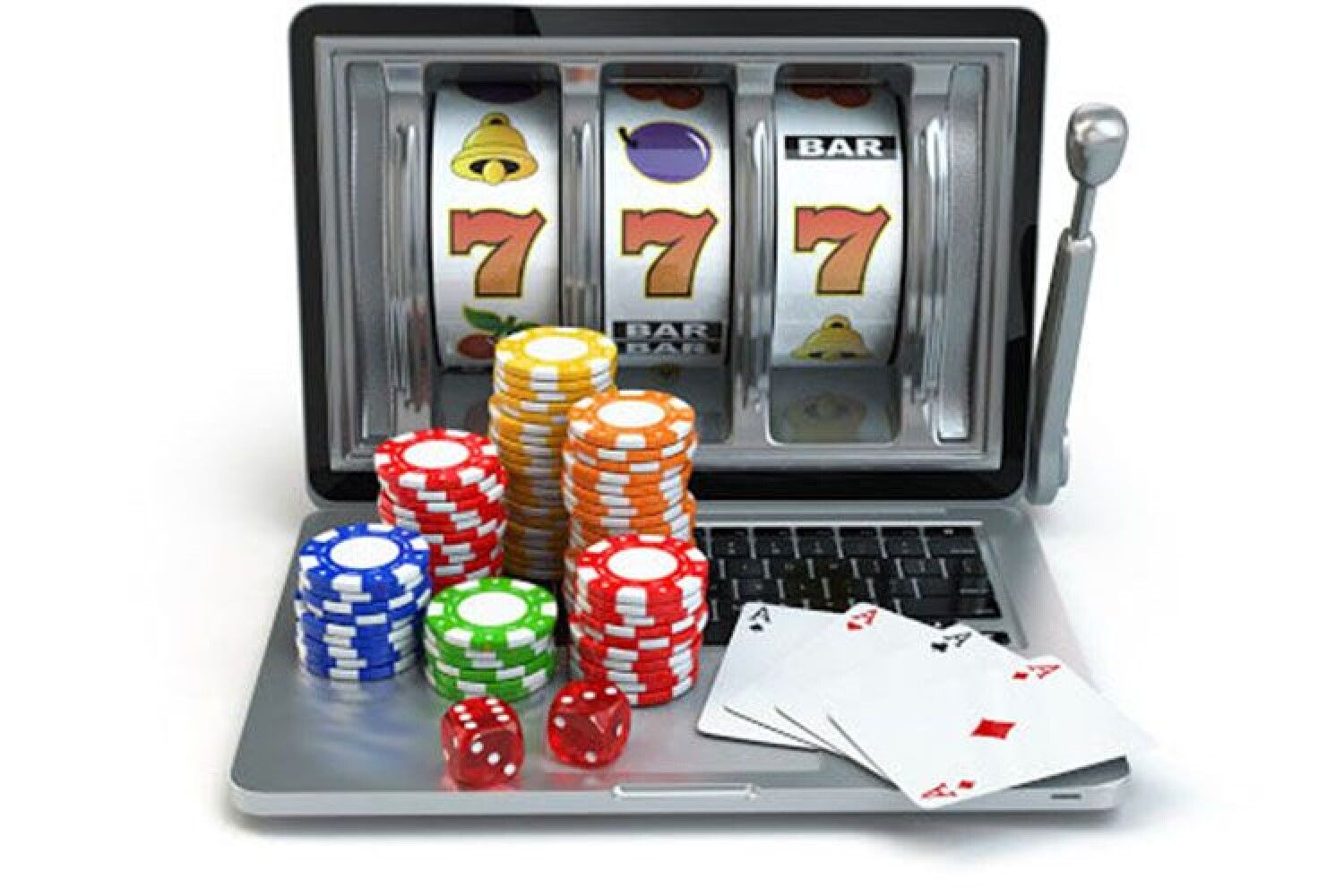
Lizaro Casino: A Modern Perspective on Gambling
Lizaro Casino embodies a contemporary approach to online gambling, offering a diverse range of gaming experiences that reflect the changing perceptions around gambling today. With an extensive selection of over 10,000 titles, including slots, table games, and live dealer options, it caters to a broad audience, from seasoned gamblers to newcomers. This variety allows players to engage with gambling in a way that aligns with their preferences and comfort levels, reflecting a modern understanding of gambling as a form of entertainment.
Moreover, Lizaro Casino prioritizes user security and satisfaction, presenting a safe environment for online gambling. The platform offers robust payment options, including cryptocurrency, which appeals to a growing demographic interested in digital financial transactions. Such innovations illustrate how the gambling landscape is evolving, aligning itself with current technological trends and societal changes.
Ultimately, Lizaro Casino represents a shift in how gambling is perceived in the modern world. By providing an accessible and enjoyable online gaming experience, it highlights the changing dynamics of cultural influences on gambling, demonstrating that perceptions can evolve alongside societal advancements. As gambling continues to integrate into the digital age, platforms like Lizaro Casino will shape and redefine what gambling means to diverse audiences worldwide.
Leave a Reply